At the American Task Force on Lebanon (ATFL), we regularly brief US policymakers and congressional staff on the issues shaping US-Lebanese relations.
As a non-partisan, non-sectarian, and independent organization, we aim to provide fact-based analysis and clear context on the developments that matter most. Through this Explainer series, we break down complex issues into accessible insights for a broader audience.
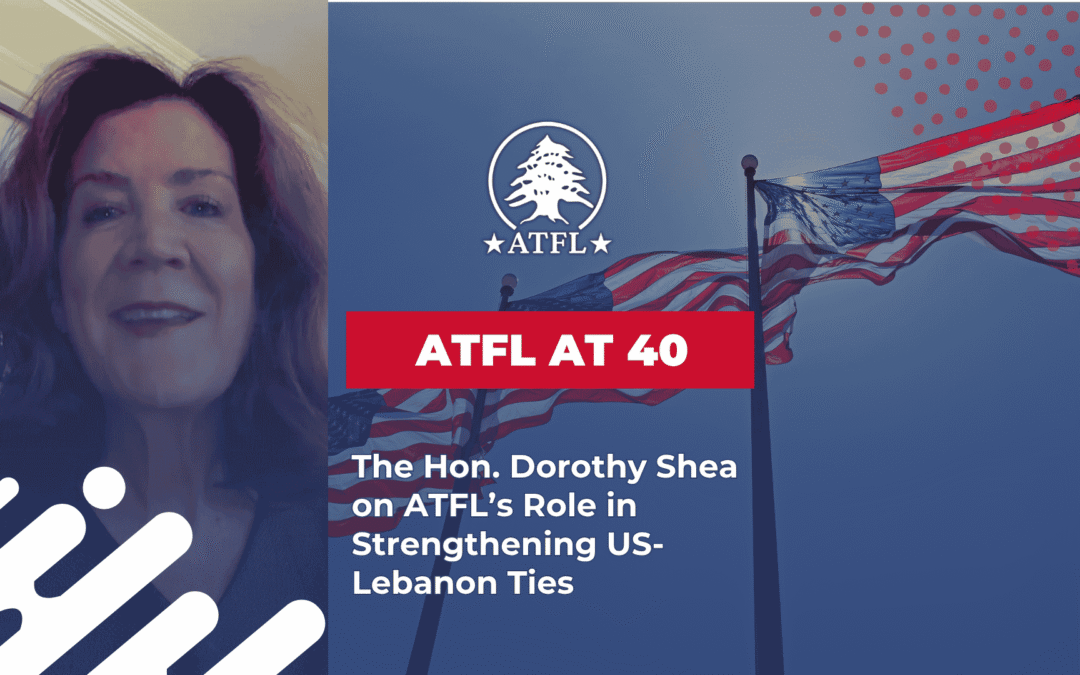
In a support message, the Hon. Dorothy Shea, former US Ambassador to Lebanon, reflects on ATFL’s role in building bridges between the United States and Lebanon. Recalling ATFL’s humanitarian response following the August 4, 2020 Beirut Port explosion, she highlights how the organization helped turn the strength of the US-Lebanon relationship into tangible support at a moment of extraordinary need.
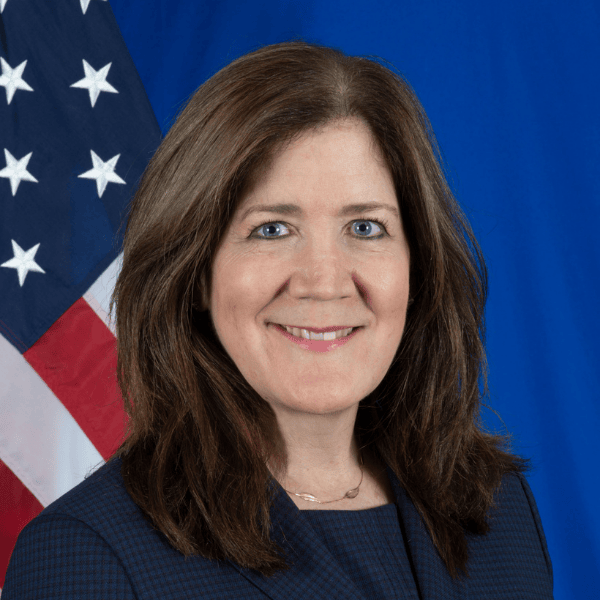
Hi! Dorothy Shea, coming here to express support for the American Task Force on Lebanon.
When I was Ambassador, I considered ATFL as an extension of our soft power. And I know to this day, so many of you are supporting ATFL’s work to build bridges between our two countries and peoples.
One example: during my tenure, shortly after the August 4, 2020 Beirut Port explosion, we learned that a number of warehouses had been obliterated, including those storing medications, in some cases lifesaving cancer medications.
ATFL rallied and was able to get that kind of humanitarian assistance into the country. The US government also rallied, and we brought C-130s full of humanitarian assistance.
When ATFL aid arrived, I tried to make myself available to shine a spotlight on this tangible example of the strong ties between the American people and the Lebanese people.
I know today people are trying to help strategize about how to lift Lebanon out of this terrible crisis that it has been enduring, and I wish you every success in those efforts.
I support you and I applaud you.
Thank you so much.